New data from the Office for National Statistics (ONS) (access full ONS report HERE) has been published and it looks alarming.
While people in the UK can expect to live to around 80 years old on average (around 79 for men and 83 for women), the projected healthy life expectancy of those born today is only around 60 years old in England. In other words, people are living longer, but a growing proportion of those years may be spent in poorer health.
This doesn’t mean people are expected to die at 60, or that those currently older are suddenly healthier. Instead, it highlights a wider issue around how we support healthy ageing and prevent avoidable illness throughout life.
The latest statistics show that healthy life expectancy (this does not mean death, just healthy living) across the UK has fallen to around 60.7 years for men and 60.9 years for women, the lowest level recorded since the data began in 2011–2013.
Compared with just a few years ago (2019–2021), healthy life expectancy has fallen by 1.8 years for men and 2.5 years for women.
The figures also show that this is not just an England-specific issue but a trend across the UK. According to the ONS, healthy life expectancy in 2022–2024 was highest in England. In comparison, Scotland recorded the lowest healthy life expectancy for men at 59.1 years, while Wales had the lowest for women at 58.5 years. Northern Ireland sits somewhere in between. While the differences may appear small, they highlight persistent health inequalities across Britain.
At the same time, overall life expectancy remains much higher than healthy life expectancy. Many people may still live into their late 70s or early 80s, but a growing proportion of those years are lived with illness, disability or long-term conditions.
Living longer, but not healthier
This gap between lifespan and healthy lifespan is one of the most important public health challenges facing the UK today. If people are living for around 80 years but only experiencing about 60 years in good health, this suggests that the final two decades of life may involve managing chronic health conditions.
These conditions often include heart disease, diabetes, arthritis, and other long-term illnesses that significantly affect quality of life. They also place increasing pressure on health and care systems.
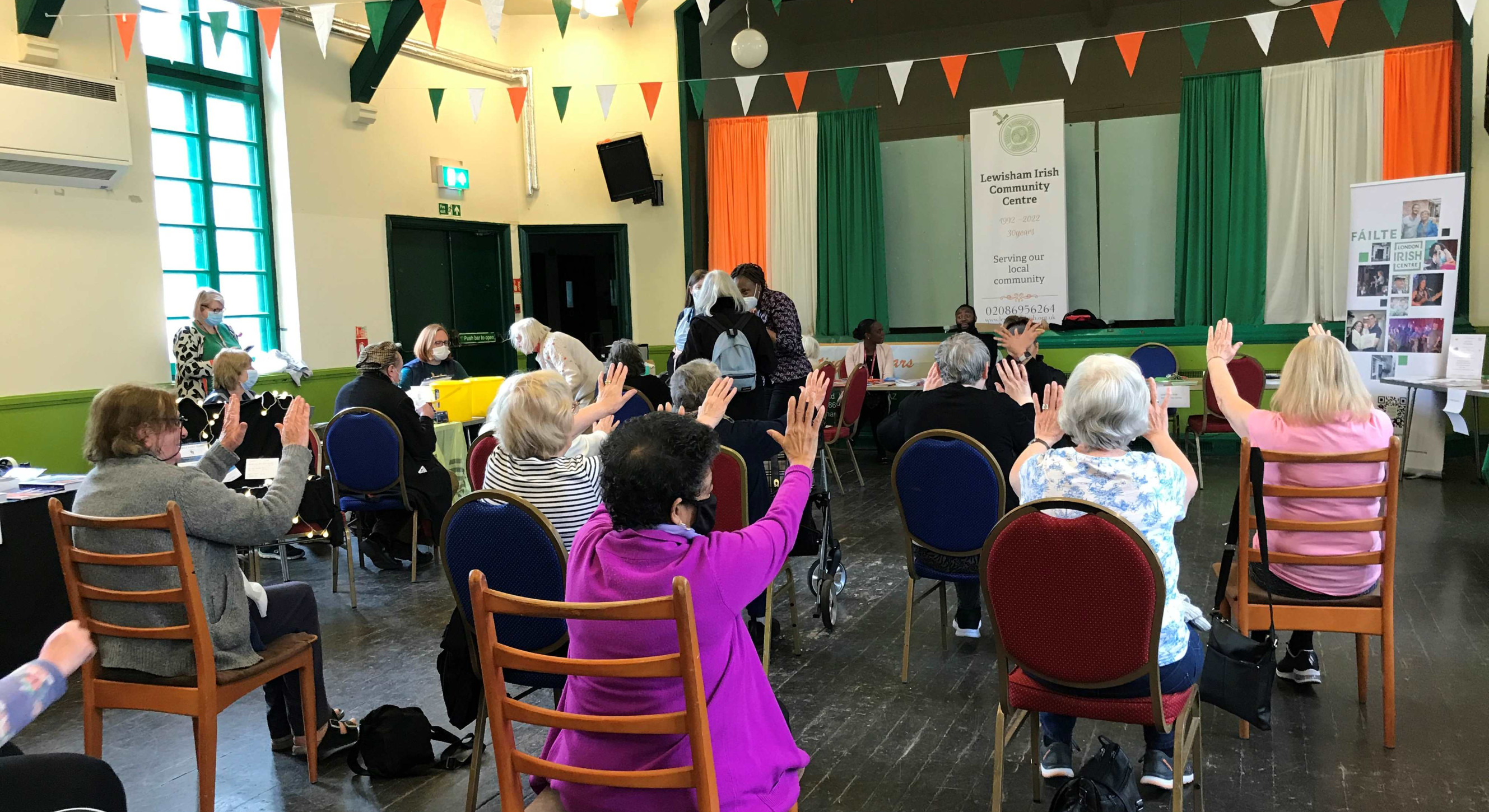
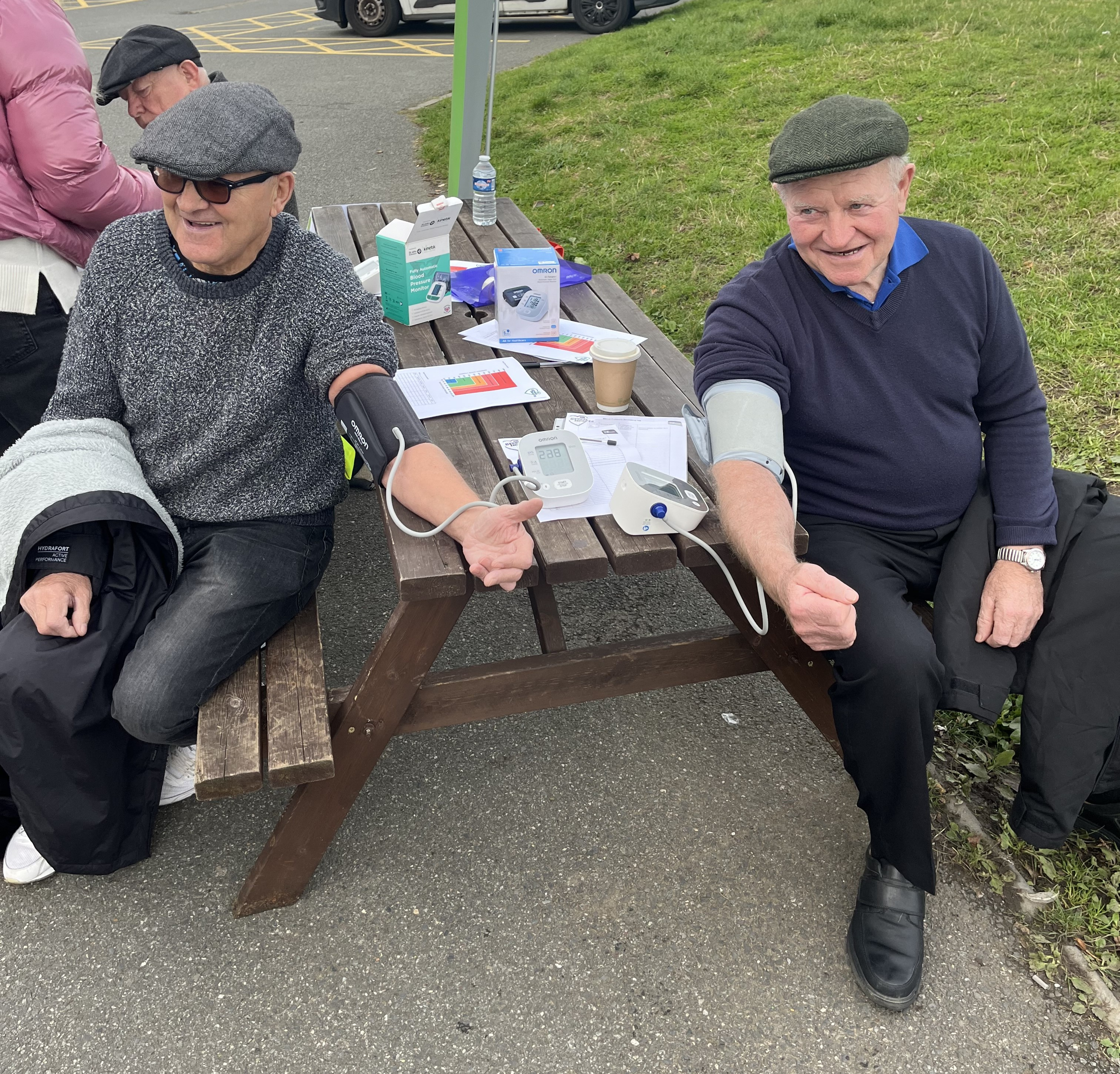
But the issue goes beyond healthcare alone. It’s about educating people on health earlier, keeping community centres active and learning about your body before it gets to a chronic condition. –
Why prevention matters more than ever
These figures underline why prevention and early intervention must sit at the centre of health policy. Supporting healthier lifestyles, improving access to preventative care, and tackling the wider determinants of health, such as poverty, isolation and housing, are essential if we want people to not only live longer, but live well for longer.
Healthy ageing isn’t just about the later stages of life either. Many of the factors that influence health in older age begin decades earlier. Encouraging physical activity, improving nutrition, and supporting mental wellbeing throughout life can all contribute to healthier years later on. –
A challenge and an opportunity
While the latest figures may seem worrying, they also present a clear opportunity. By focusing on prevention, reducing inequalities, and investing in healthier communities, it is possible to shift the trajectory.
Ultimately, the goal shouldn’t simply be to increase life expectancy, it should be to increase healthy life expectancy, ensuring that the years people gain are years that can be lived fully and independently.