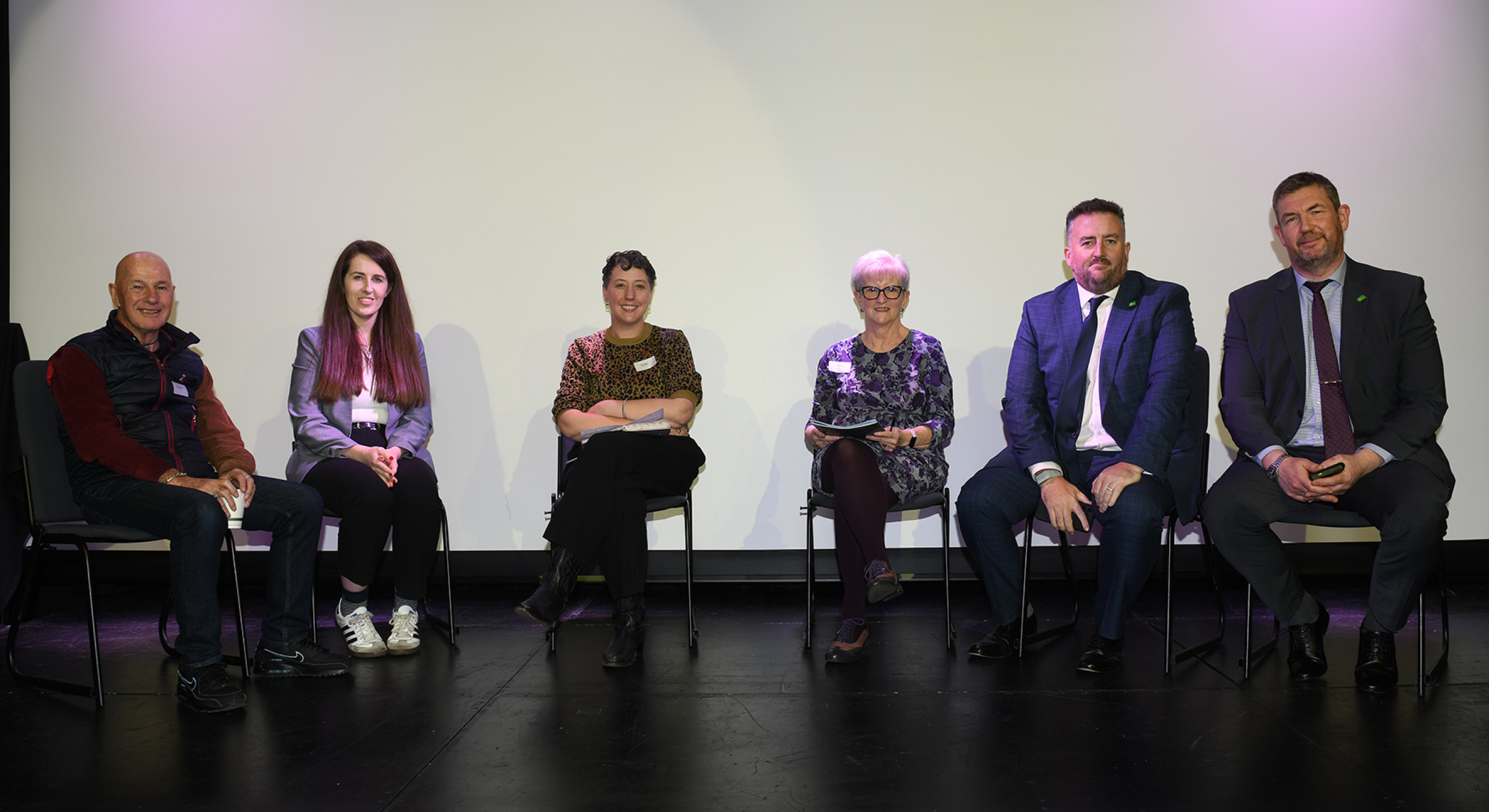
This year Irish in Britain and Innisfree Housing Association launched Meitheal Muintire: Irish End-of-Life Care Project, with a national consultation.
Through workshops, surveys and interviews we have spoken with carers and families, service providers, NHS and hospice teams, researchers and clergy to understand the experiences of those navigating and delivering end-of-life care in Britain today.
As part of our AGM programme, we hosted a panel discussion on priorities and ideas for change, service development and education in this most sensitive aspect of our community’s care.
Panellists
The panel was moderated by Dr Mary Tilki, health researcher, consultant and former Chair of Irish in Britain. It featured Mark Byrne, CEO of Woking and Sam Beare Hospice; Shauna Mulligan, Director of Irish Community Services in South London; Ellie Rogers, CEO of Leeds GATE; Bernárd Lynch, former Priest, LGBT activist, therapist and campaigner; and Brian Dalton CEO Irish in Britain.
Mary Introduced the session and talked about the Irish community and how “Diversity is really important in our community, the history, the life experiences, the other things that make us different”
“One size fits all” can never be enough, particularly around end-of-life care.
The final journey
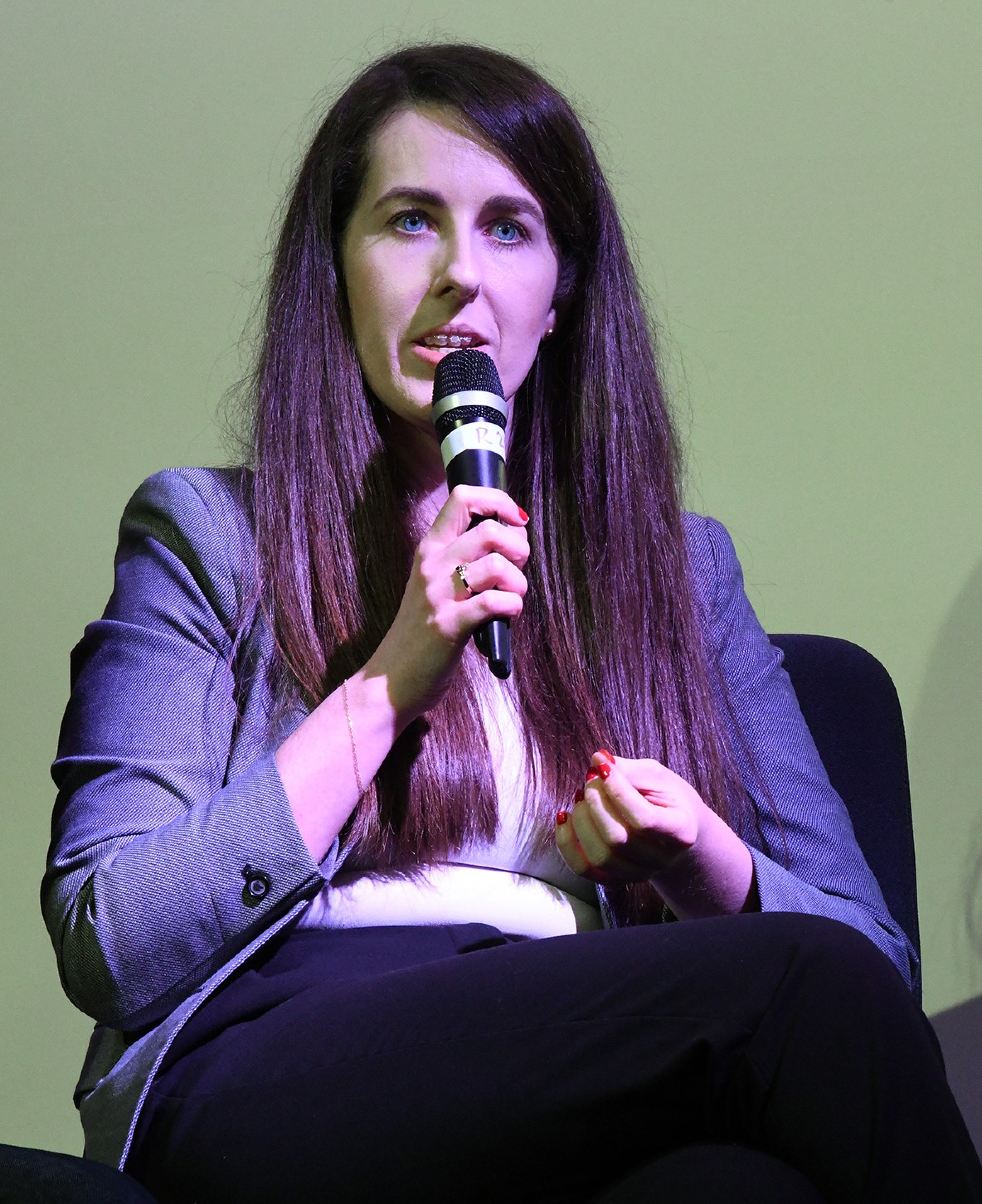
Shauna described her experiences as Director of Irish Community Services, where many of their members and service users are elderly.
The organisation supports them at the end of their lives in whatever way they are asked. She talked about those whose only wish is to die back in Ireland. She then help rush through a passport application so that the person can make “the final journey home” to say their goodbyes.
Sometimes when a client is in hospital and wants to die at home, they will set up support to make it possible. She talked of the sense of euphoria she has seen when a client has their wish granted and their friends join them. She and other staff have also joined family in sitting up with a dying client, such is the bond and commitment they feel to those they have supported.
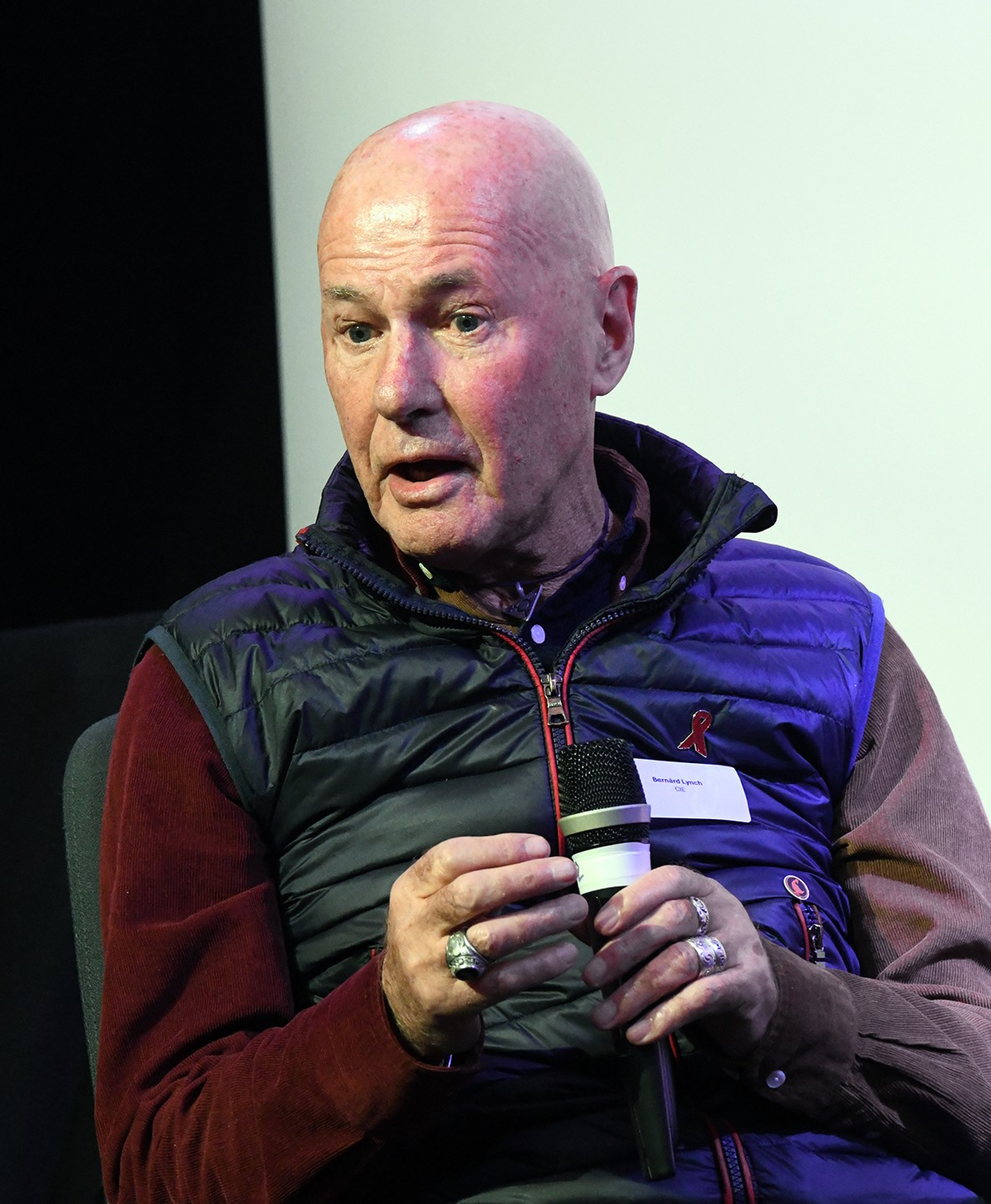
Bernárd talked about his experience in New York working with people with people living and dying with HIV and Aids over 44 years. At the time he said people who were HIV+ were “Most hated communities in the world”.
He said “600 of the community I worked with in community in NYC died of Aids, while Pope blamed people for their sickness.”
He said that he learned that
“When you are with someone who is dying, you don’t come to give you come to receive”.
Traveller experiences
Ellie told attendees she has been moved and humbled by Bernard’s contribution and described her own experiences within the Irish Traveller community has shown her the importance of “person-centred loving care”.
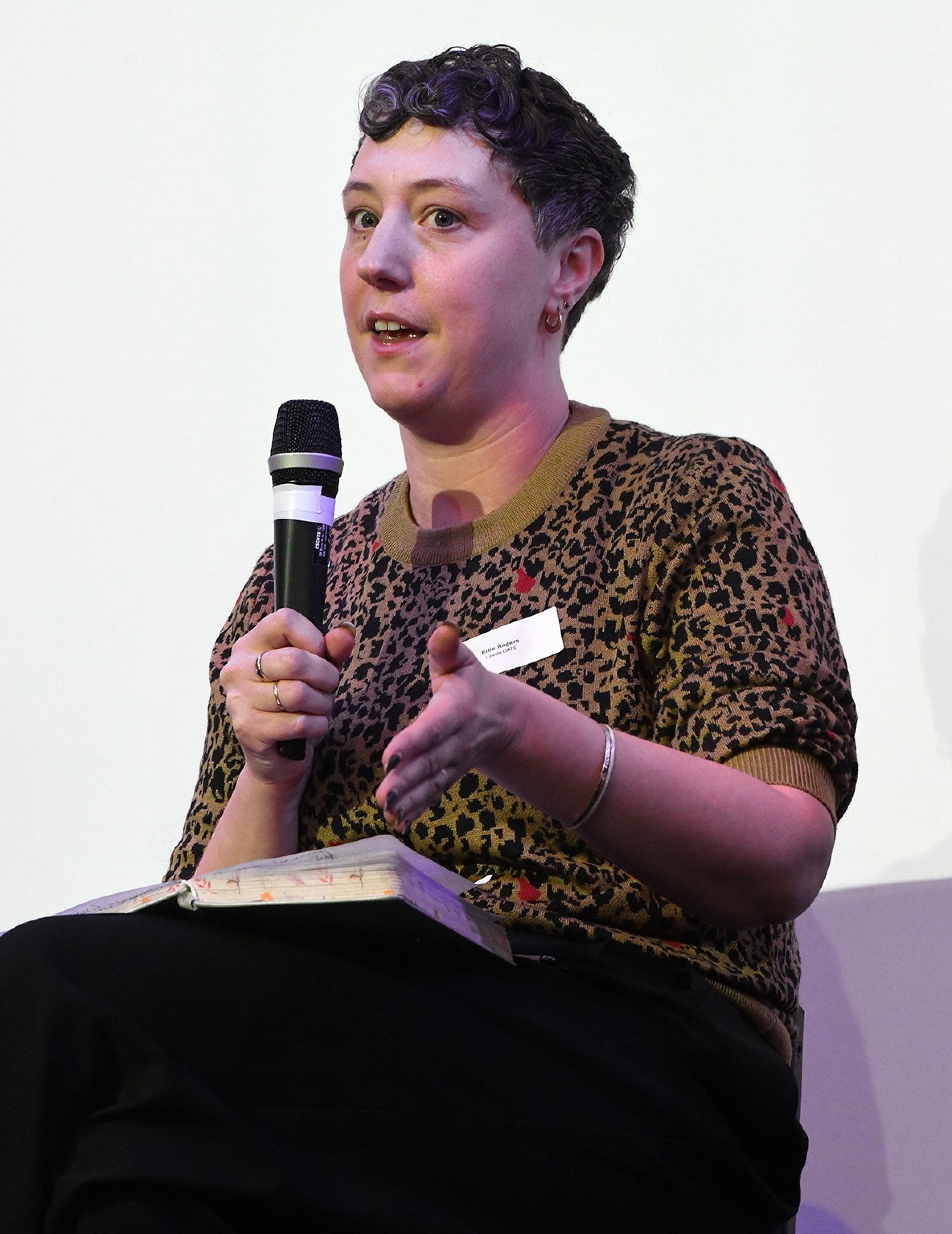
At Leeds GATE they have advocated for people at the end of their lives to be with loved ones in their trailer, and she said that sometimes people don’t understand what is customary in Traveller communities.
She pointed out that the inequalities Traveller communities face in life they also face at the end of their lives. Travellers are more likely to die younger and more likely to see death of a child.
But she stressed that trust within Traveller communities had to built at all times, not just at the end of life and that sometimes role of system is to get out of the way. People just want their family near to them so they can care, she added.
She pointed to the problems caused by the long gap between someone’s death and their funeral in Britain, which is also an issue raised by many in the wider Irish community.
Hospice care
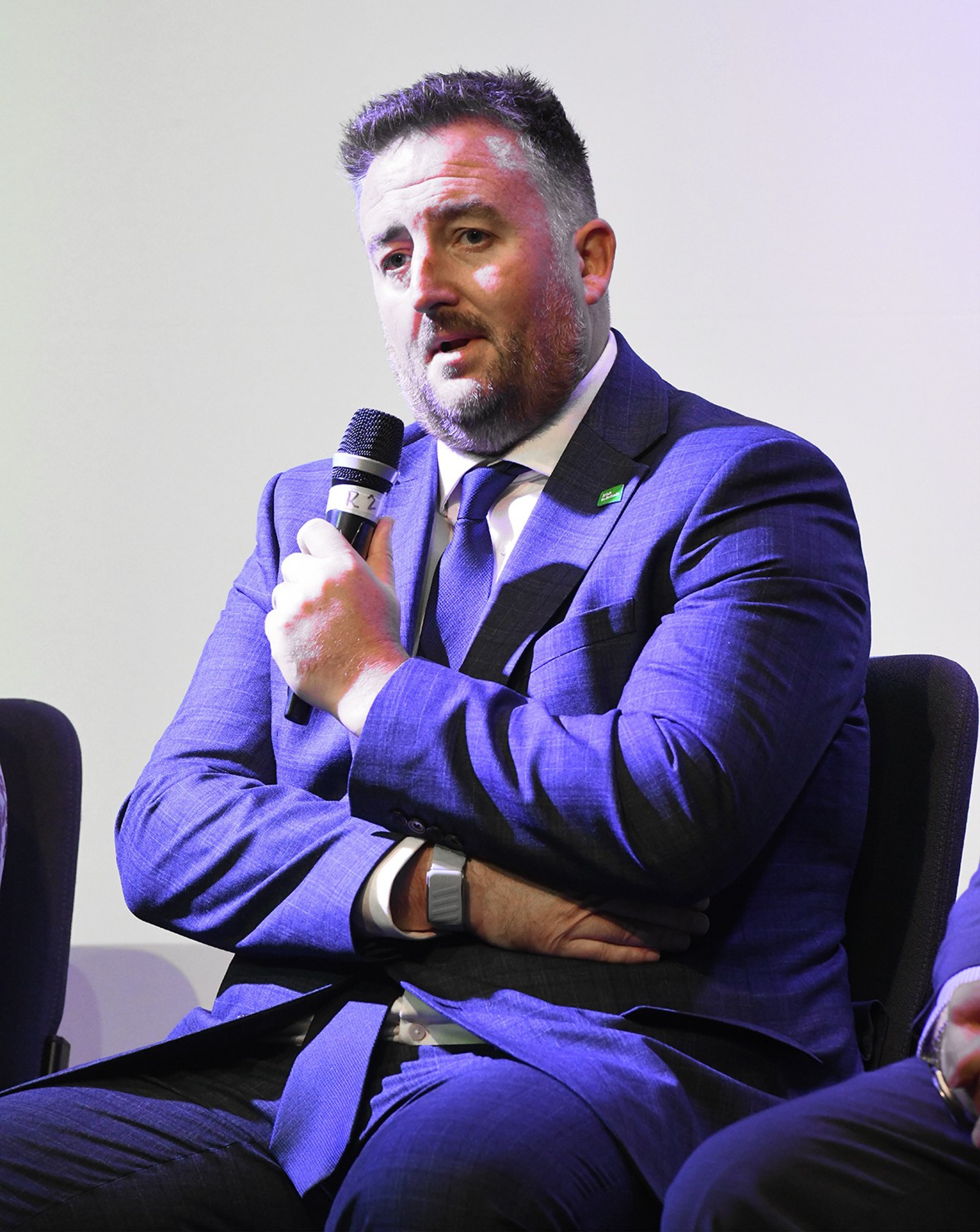
Mark talked about wanting to change the lens of how palliative and end of life care is viewed. He described the work of the hospice, explaining that he is committed because he had “Been on the other side of the desk”. He argued that people should not be dying in hospitals and that palliative care should start earlier, pointing out that the hospice team “looks after 80 percent of patients in own homes”.
We just ask “what do you need?”.
The panel contributions provoked a wide-ranging discussion among attendees about many aspects of the need for culturally sensitive care for the Irish community at the end of their lives. People talked about the distress caused by the long wait for a funeral; others talked about the triggering effect being taken into a hospice could be for survivors of Ireland’s institutions.
Brian Dalton gave an overview on Irish in Britain’s End of life care project partnership with Innisfree Housing Association: Meitheal Muintire and why this is such a priority for Irish in Britain, its members, and the wider community.
“By undertaking the largest ever community conversation on end-of-life care we can now map a plan for change and for action. Everybody deserves a dignified and good death, regardless of their backstory, origin or circumstance,
“The work starts now-- it will need support from all stakeholders to make the change our community needs.”
Find out more about the Meitheal Muintire Project HERE.